
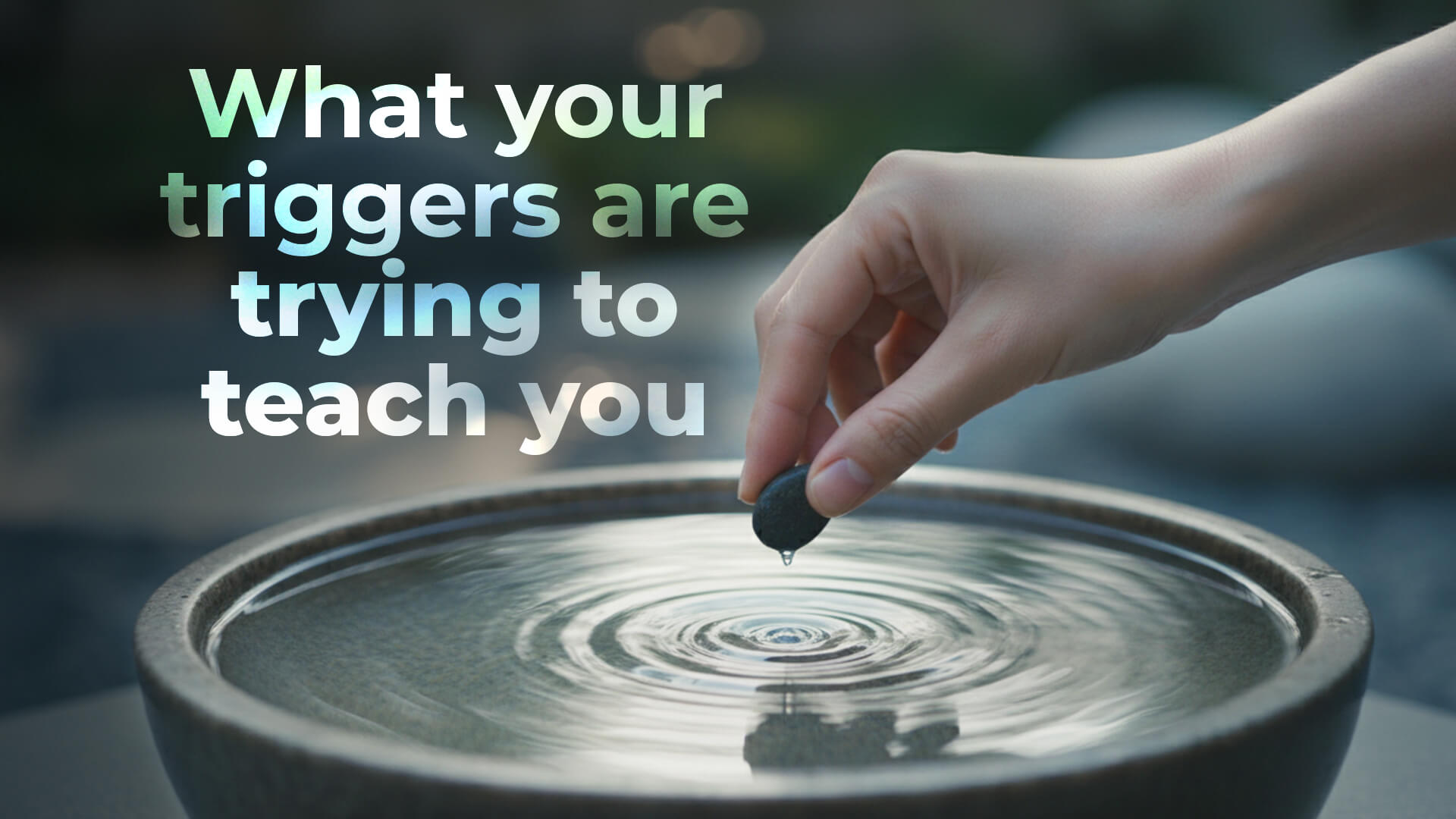
We all have moments that set us off, like a comment, a tone, a silence, or a situation that feels heavier than it should. In those moments, emotions rise fast and clarity disappears. Most people try to avoid or suppress triggers, but every emotional reaction carries a message. Triggers aren’t signs of weakness they are mirrors. They show us where old wounds are still active, where healing is needed, and where growth is waiting. Learning from your triggers transforms discomfort into awareness and reaction into wisdom.
What Are Emotional Triggers?
An emotional trigger is anything that stirs a strong reaction of anger, shame, guilt, defensiveness, or sadness. It’s rarely about the present moment. Triggers are often echoes of the past, old pain resurfacing in new situations. Someone ignoring your message may remind you of past rejection. Criticism at work may touch the same wound as an unsupportive parent or teacher once did. Your body reacts as though the old moment is happening again. Recognising this helps you respond consciously instead of reacting automatically.
Why We Get Triggered
Triggers form around unmet needs and unresolved experiences. They point to the parts of us that still feel unsafe or unseen. Your triggers reveal what’s asking for attention, not what’s wrong with you. Common roots include-
- Past criticism or rejection
- Unmet emotional needs
- Childhood conditioning
- Unprocessed grief or trauma
Leading to sensitivity to judgement.
Creating fear of abandonment or neglect.
Linking love with performance or approval.
Resurfacing when similar emotions appear.
The Hidden Gift in Triggers
Every trigger is an invitation to heal. It’s a chance to look inward rather than outward, to ask, why does this affect me so deeply? Instead of why did they do this to me? When you meet your triggers with curiosity instead of judgement, you reclaim power over your emotional world. You stop being ruled by reactions and start choosing your responses consciously. Triggers don’t exist to punish, they exist to awaken.
How to Work With Your Triggers
- Pause before reacting
- Notice the body’s signals
- Name the emotion
- Ask yourself what this reminds you of
- Reframe the story
- Practice self-soothing
- Take gentle responsibility
When a trigger arises, your instinct is to respond quickly. Instead, pause. Take a slow breath. This small gap between stimulus and response is where awareness lives.
Tightness in the chest, a racing heart, and heat in the face, these sensations tell you a trigger has been activated. Before analysing, simply notice what your body is saying.
Label what you feel: anger, hurt, shame, fear. Naming an emotion begins to regulate it. It tells your nervous system you’re safe enough to observe instead of react.
Is this feeling familiar? When else have you felt this way? Triggers often repeat a pattern. Identifying the memory underneath helps separate the past from the present.
Instead of seeing the trigger as a setback, view it as feedback. Ask, What is this emotion trying to teach me about my boundaries, expectations, or needs?
Ground yourself with simple actions, deep breathing, stepping outside, writing your thoughts down. Soothing calms the body so clarity can return.
This doesn’t mean blaming yourself. It means acknowledging that while others may spark your emotions, your healing belongs to you.
What Triggers Teach You
- They reveal your unhealed wounds
- They strengthen self-awareness
- They build boundaries
- They teach self-compassion
- They guide emotional maturity
Every strong reaction points to where compassion is still missing.
Each moment of reflection deepens understanding of your emotional patterns.
Feeling drained or defensive can signal where limits need reinforcing.
Meeting your pain with patience rather than shame grows inner safety.
Over time, you respond with understanding instead of reaction.
Everyday Practices to Transform Triggers
- Daily reflection
- Communicate consciously
- Revisit patterns
- Seek support
Spend five minutes each night journaling about one emotional moment. Ask, ‘What was I feeling?’ and ‘What did I need?”.
When triggered, say ‘I need a moment to collect my thoughts’ instead of reacting impulsively.
Notice recurring triggers in relationships or work. Repetition points to lessons that keep returning until understood.
Therapy or healing sessions can help uncover the root causes and release stored pain gently.
Transformation is gradual, not forced. Every time you stay present with a trigger, you shift an old pattern.
Example in Everyday Life
Imagine a colleague interrupts you during a meeting, and you immediately feel angry. On the surface, it seems about rudeness, but when you pause, you realise it mirrors how your opinions were dismissed growing up. The emotion isn’t only about today; it’s about being unheard for years. By recognising this, you move from reaction to reflection. You can set boundaries calmly, ‘I’d like to finish my point’, instead of lashing out or shutting down. That’s emotional mastery born from awareness.
Reflection Prompts
- Which situations trigger me most often?
- What feelings usually follow: anger, shame, fear, or sadness?
- What might this emotion be trying to show me about my needs or boundaries?
- How can I care for myself instead of reacting outwardly next time?
Frequently Asked Questions (FAQs)
Q1. Are triggers always linked to trauma?
Not always. Some stem from smaller patterns of neglect, rejection, or learnt fears rather than major trauma.
Q2. Can triggers ever disappear completely?
With healing, their intensity fades. You may still notice them, but they no longer control you.
Q3. How do I handle triggers in relationships?
Communicate gently. Use “I feel” statements and share your needs once calm. Awareness deepens connection.
Q4. What if I feel triggered all the time?
That’s a sign your system is overloaded. Prioritise rest, grounding, and support from a professional.
Q5. How can I help others manage triggers?
Listen without judgement. Offer empathy instead of advice. Safe presence helps others process their emotions.
Your triggers are not enemies to fight, they are guides pointing you back to yourself. Every emotional reaction holds a lesson about what still needs healing, understanding, or acceptance. The next time something stirs you deeply, pause and listen. Beneath the discomfort lies wisdom, waiting to turn pain into clarity and reaction into growth.
Reach Dr. Chandni’s support team at +918800006786 and book an appointment.

































 facebook
  X
X  youtube
  whatsapp
  instagram
  linkedin