
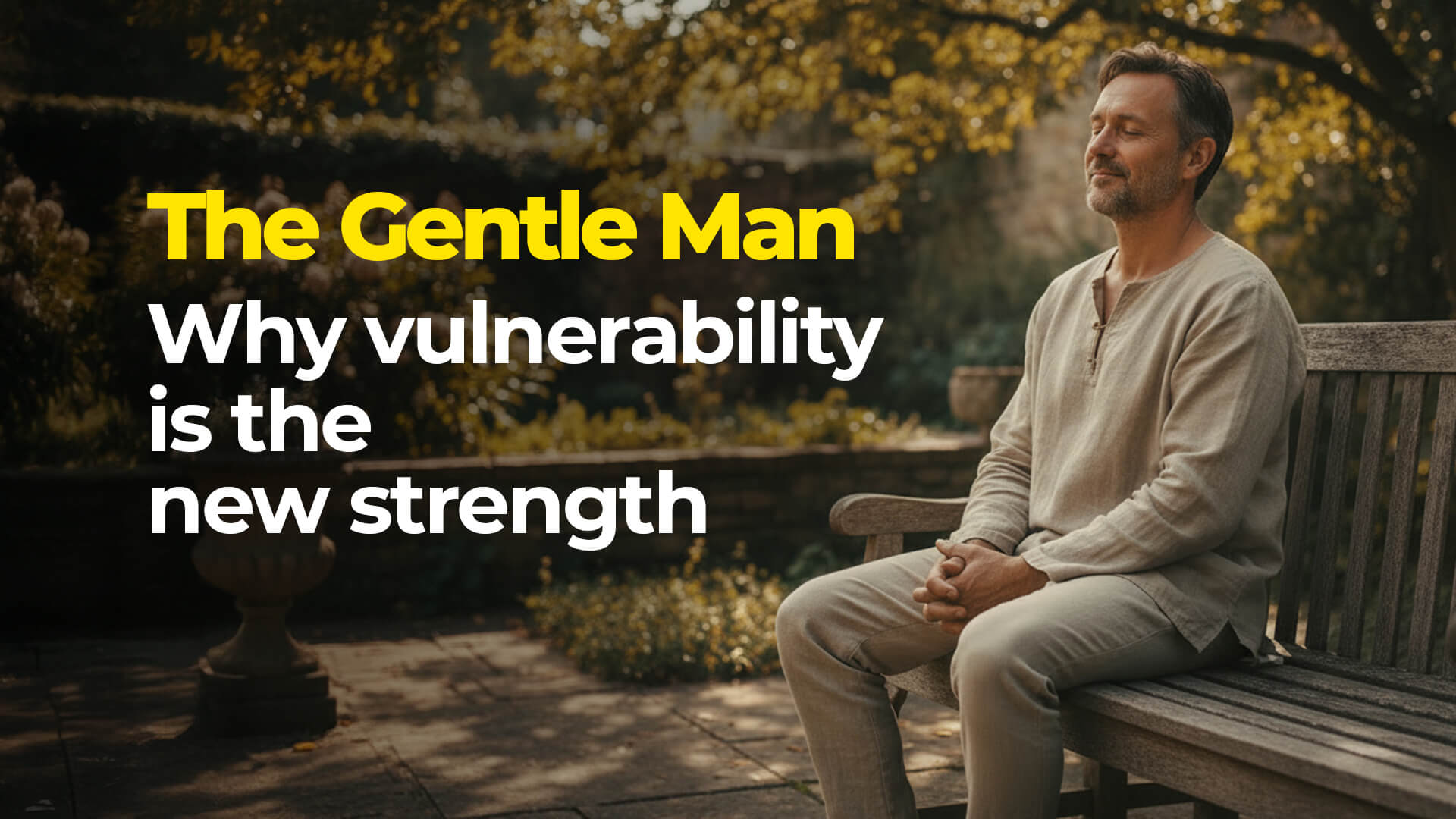
For generations, men were taught that strength meant silence, never crying, never doubting, never asking for help. Boys grew up learning that emotions were weaknesses to be conquered, not parts of themselves to be understood. But as the world changes, so does our understanding of strength. Today, a new kind of man is emerging, one who is gentle, aware, and emotionally honest. He knows that true strength is not about control or dominance. It’s about the courage to be open, to feel, and to connect. Vulnerability, once seen as fragile, is becoming the mark of emotional maturity and authentic power.
The Old Definition of Strength
Traditional masculinity rewarded toughness and self-reliance. Men were praised for stoicism and mocked for softness. They learnt to bury emotions under humour, work, or distraction. This conditioning may have created capable providers but often left many emotionally distant, uncomfortable with intimacy, communication, or asking for help. The result was quiet suffering disguised as strength. In truth, silence was never strength; it was survival.
Redefining Strength for Modern Times
Strength today looks different. It’s not measured by how much you can endure, but by how deeply you can understand yourself.
- It’s the ability to express what you feel without shame.
- It’s the willingness to listen without defensiveness.
- It’s taking responsibility for your impact on others.
- It’s being kind in a world that often rewards hardness.
Vulnerability is not weakness; it’s emotional honesty. It requires courage to say, ‘I’m struggling,’ ‘I don’t know,’ or ‘I need help.’ That courage builds deeper trust and stronger relationships than pretending to be invincible ever could.
Why Vulnerability Is Strength
When you hide emotions, you build walls. But walls keep out both pain and love. Vulnerability tears down those walls and replaces them with connection.
- It deepens relationships. People trust honesty, not perfection. When men open up, they allow genuine intimacy to grow.
- It reduces emotional pressure. Sharing what hurts relieves the weight of pretending everything is fine.
- It improves mental health. Vulnerability prevents suppressed emotions from turning into anxiety, anger, or isolation.
- It inspires others. When one man models openness, others feel permission to do the same.
What Gentle Strength Looks Like
A gentle man is not passive or weak. He’s grounded, compassionate, and self-aware. His gentleness comes from security, not submission.
- He listens before reacting.
- He expresses anger without aggression.
- He admits when he’s wrong.
- He shows affection without hesitation.
- He balances logic with empathy.
Practical Ways to Cultivate Vulnerability
- Name your emotions
- Share selectively but honestly
- Listen without fixing
- Ask for help
- Model gentleness for others
Start by identifying what you feel: sadness, guilt, pride, or fear. Naming emotions turns confusion into clarity and prevents them from turning into irritability or withdrawal.
You don’t need to open up to everyone. Start with one trusted friend, partner, or mentor. Share a small truth and notice how it lightens your emotional load.
Men are often taught to solve problems. Sometimes, the real strength lies in simply listening, with empathy, not solutions.
Whether it’s emotional support or professional guidance, asking for help is an act of courage. It signals self-awareness, not weakness.
Be the man who shows that empathy and strength can coexist. When younger boys or peers see it, they learn a healthier version of masculinity.
The Cost of Emotional Repression
Avoiding vulnerability may feel safe in the short term, but it carries hidden costs. Suppressed emotions turn into stress, resentment, and disconnection. Over time, relationships become shallow, and inner peace fades. Studies show that men who bottle emotions are more likely to face burnout, depression, or chronic health issues. Emotional repression doesn’t protect; it isolates. When you allow vulnerability, you build resilience. You become emotionally flexible instead of emotionally armoured.
The Gentle Revolution
Across the world, more men are beginning to redefine what it means to be strong. They’re learning that tears don’t make them weak, that softness is not submission, and that love expressed openly is a sign of maturity, not fragility. From workplaces to relationships, the men leading with empathy are building trust, creativity, and collaboration. The gentle revolution isn’t about changing gender; it’s about expanding humanity.
Reflection Prompts
- What emotions do I avoid expressing, and why?
- Who in my life feels safe enough to be vulnerable with?
- How has silence or emotional distance affected my relationships?
- What would it feel like to lead with empathy instead of control?
Frequently Asked Questions (FAQs)
Q1. Why do men struggle with vulnerability?
Cultural conditioning teaches men that emotions equal weakness. Undoing this belief requires awareness and safe spaces for emotional expression.
Q2. Can vulnerability backfire?
Not when practised wisely. Vulnerability is about honesty, not oversharing. Share with those who earn your trust, not with everyone.
Q3. How can men teach this to their sons?
By example. When fathers show emotions respectfully, sons learn that feelings are part of being human, not something to hide.
Q4. What if I fear being judged for showing feelings?
Remember, courage isn’t the absence of fear; it’s action despite it. True strength often begins the moment you’re honest about your fear.
Q5. Can vulnerability improve leadership?
Yes. Leaders who show humility and authenticity foster loyalty and trust. People follow those who feel real, not those who appear perfect.
Strength has evolved. The men who dare to be vulnerable are not losing their edge; they’re reclaiming their humanity. Gentleness, honesty, and emotional openness are the new pillars of power. The gentleman is not afraid to feel; he’s brave enough to be real. In a world that still mistakes silence for strength, his openness is a quiet revolution.
Reach Dr. Chandni’s support team at +918800006786 and book an appointment.
























 facebook
  X
X  youtube
  whatsapp
  instagram
  linkedin