

Every February, Valentine’s Day arrives wrapped in carefully curated images of perfect dinners, surprise proposals, grand gestures, couples dressed in coordinated outfits, and roses framed against golden sunsets. Scroll through your social media feed long enough and love begins to look like performance. But beyond social media narratives, Valentine’s Day carries a quieter truth, that is love is not always loud, it is not always aesthetic, and it is rarely as polished as the internet suggests. If you strip away filters, hashtags, and expectations, what remains is something far more human.
How Social Media Redefined Love
Social media did not create romance, but it reshaped how we see it and measure it. Love today is often evaluated by visibility:
- Was it posted?
- Was it grand enough?
- Did it look impressive?
- Did it outperform other couples?
When affection becomes content, authenticity begins to shrink. Moments that were once private now carry audience awareness and are judged based on the number of likes and comments. This shift subtly changes emotional experience, because instead of asking, ‘Did this feel meaningful?’ many begin asking, ‘Did this look meaningful?’ and those are not the same question.
The Pressure to Perform Romance
Valentine’s Day can become less about connection and more about comparison. For a lot of couples, pressure shows up as:
- Planning something extraordinary
- Matching unrealistic expectations
- Fear of disappointing a partner
- Measuring worth through effort
For singles, it can bring:
- Feelings of exclusion
- Doubts about self-worth
- Anxiety about being ‘behind’
What Love Actually Looks Like
Real love is often found in the quiet, ordinary moments that rarely trend online or seek applause. It isn’t about grand gestures; instead, it’s built on the steady foundation of staying through difficult conversations, listening without trying to ‘fix’ things, and consistently showing up. By choosing patience over pride and holding space for a partner during their emotional lows, you create a healthy connection that lasts. These subtle acts might seem small, but they are the very things that sustain a relationship over time.
The Myth of Grand Gestures
Social media favours spectacle, surprise trips, lavish gifts, and dramatic declarations. While grand gestures are beautiful, they are not proof of emotional depth. Sustainable love is built on:
- Emotional safety
- Honest communication
- Mutual respect
- Honored boundaries
- Consistency over intensity
The Forgotten Forms of Love
Valentine’s Day is marketed as romantic love, but love exists in many forms. There is:
- Self-love
- Friendship
- Familial love
- Mentorship
- Community connection
When we treat romance as the only ‘real’ kind of love, we end up ignoring the value of our other deep bonds. Real life is much bigger than what we see on social media; love isn’t just about being in a couple. It is found in every form of human connection, from close friendships to family ties, and all of these expressions deserve to be celebrated.
The Role of Self-Worth
The discomfort many feel around Valentine’s Day often comes down to how we view our own self-worth. When we treat love as something we need from others to feel validated, the holiday becomes a mirror: if you feel chosen, you feel worthy, but if you don’t, doubt starts to creep in. This is where the social narrative becomes harmful. The truth is, your value isn’t defined by who celebrates you publicly, and it certainly isn’t lowered by being alone. Real, healthy love can only truly begin when you realise your worth is something you own internally, rather than something assigned to you by someone else.
Moving From Performance to Presence
To experience Valentine’s Day beyond social media narratives, shift from performing your love to being present in the moment with your partner. Ask:
- What does connection feel like to me?
- What kind of love do I want to cultivate?
- What does emotional intimacy look like in my life?
Then, instead of chasing visibility, prioritise depth, instead of posting affection, experience it, and instead of comparing, connect.
For Those in Relationships
Use the day to:
- Have an honest conversation
- Express gratitude without spectacle
- Revisit shared values
- Sit together without distraction
For Those Who Are Single
Being single is not absence, but it is space, and space can be grounding rather than lacking. You can use this day to:
- Reflect on relationship patterns
- Strengthen friendships
- Practice self-compassion
- Reconnect with personal goals
The Psychological Cost of Comparison
Comparing your life to others is a quick way to feel insecure because it shifts your focus from your own happiness to how you rank against everyone else. When you scroll through perfect-looking love stories online, it’s important to remember that you are only seeing a curated highlight reel, not the full reality. You see the polished moments, not the daily effort or the messy process behind the scenes. In fact, the healthiest relationships are usually the least performative, they don’t need an audience to be meaningful.
Redefining What the Day Means
Valentine’s Day does not need to be rejected, but it needs to be reclaimed. It can become:
- A day of emotional honesty
- A reminder to soften
- An opportunity to repair
- A pause to express appreciation
- A moment to strengthen self-respect
A Small Valentine’s Day Reset Practice
- Before engaging with social media, pause.
- Take a slow breath.
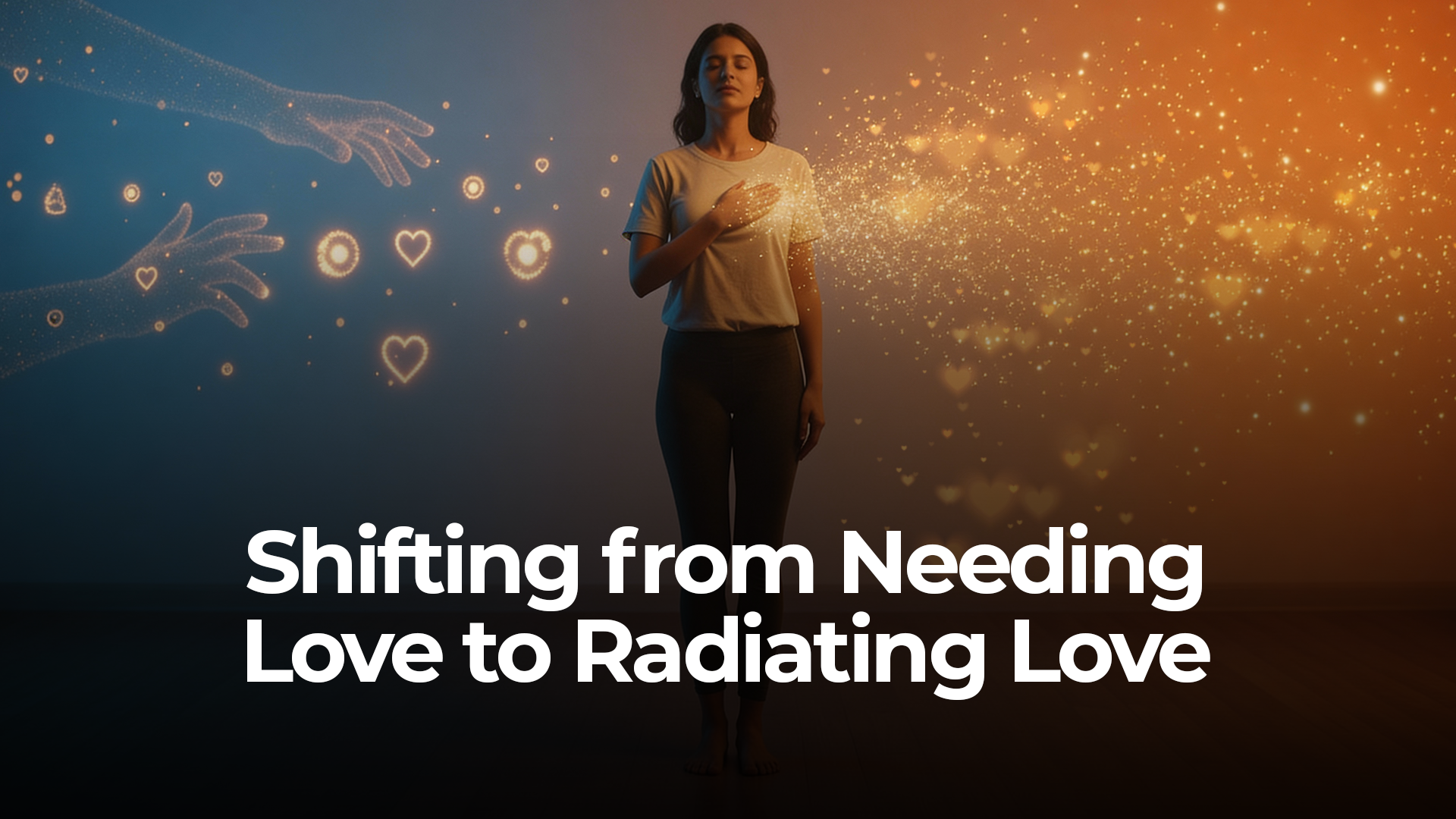
- Place one hand on your chest.
- Ask yourself: ‘What kind of love do I want to embody?’
- Let that answer guide your actions more than your social media feed.
Frequently Asked Questions (FAQs)
Q1. Is it unhealthy to feel sad on Valentine’s Day?
A. No. Emotions reflect unmet needs or comparison. Learn to acknowledge them without judgement.
Q2. Should couples avoid posting altogether?
A. Not necessarily. The intention matters more than the act of posting online.
Q3. How can I stop comparing my relationship?
A. Limit exposure and focus on what feels real within your own dynamic.
Q4. Is self-love enough?
A. Self-love is foundational. It strengthens all other forms of connection.
Q5. Can Valentine’s Day strengthen relationships?
A. Yes, when used for meaningful conversation rather than performance.
Valentine’s Day, beyond social media narratives, is not about rejecting romance but about grounding it. Love is not measured in posts, price tags, or public declarations. It is measured in presence, respect, and emotional safety. When you step away from comparison and return to authenticity, the day transforms from spectacle to substance, and love, in its quietest form, becomes enough.
Reach Dr. Chandni’s support team at +918800006786 and book an appointment.




























 facebook
  X
X  youtube
  whatsapp
  instagram
  linkedin